Blog
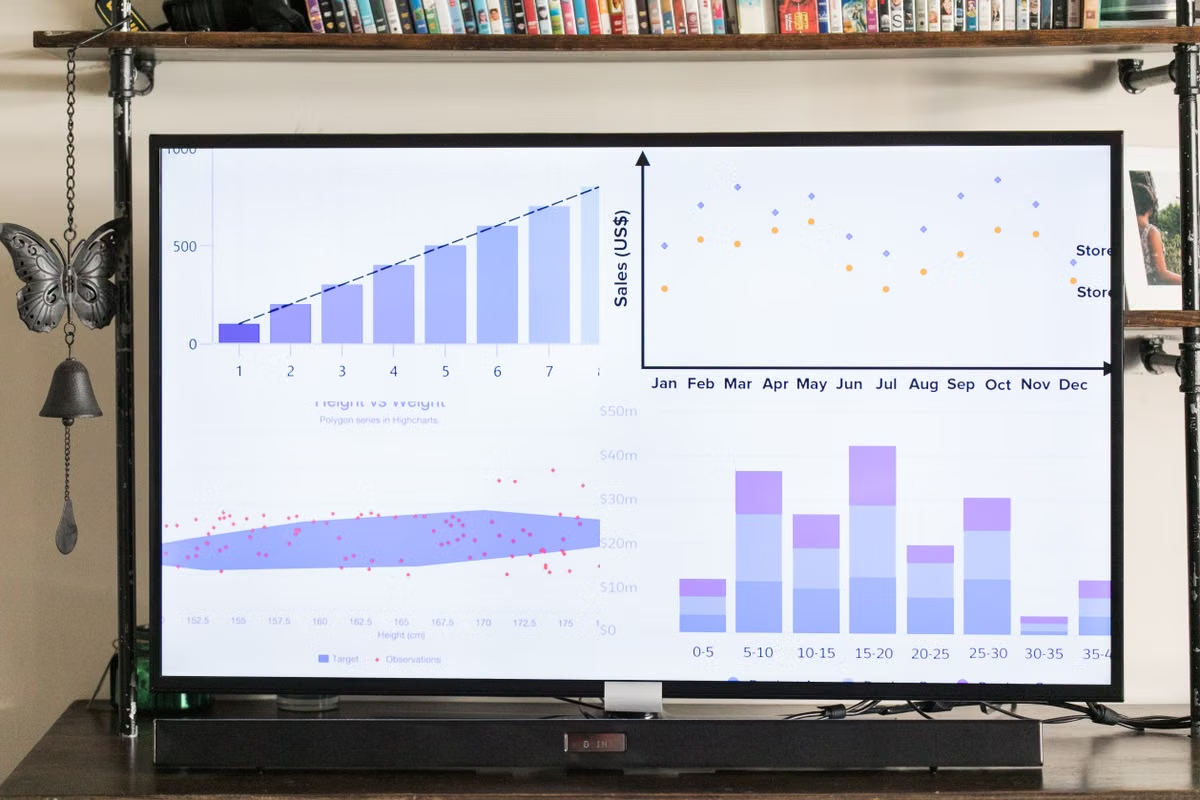
If you do not know Premiere, AI can still help you create template-based motion graphics and data visuals with HTML, CSS, and JavaScript. This guide explains the workflow, compares browser-based production with traditional editing, and shows where you should test before committing.
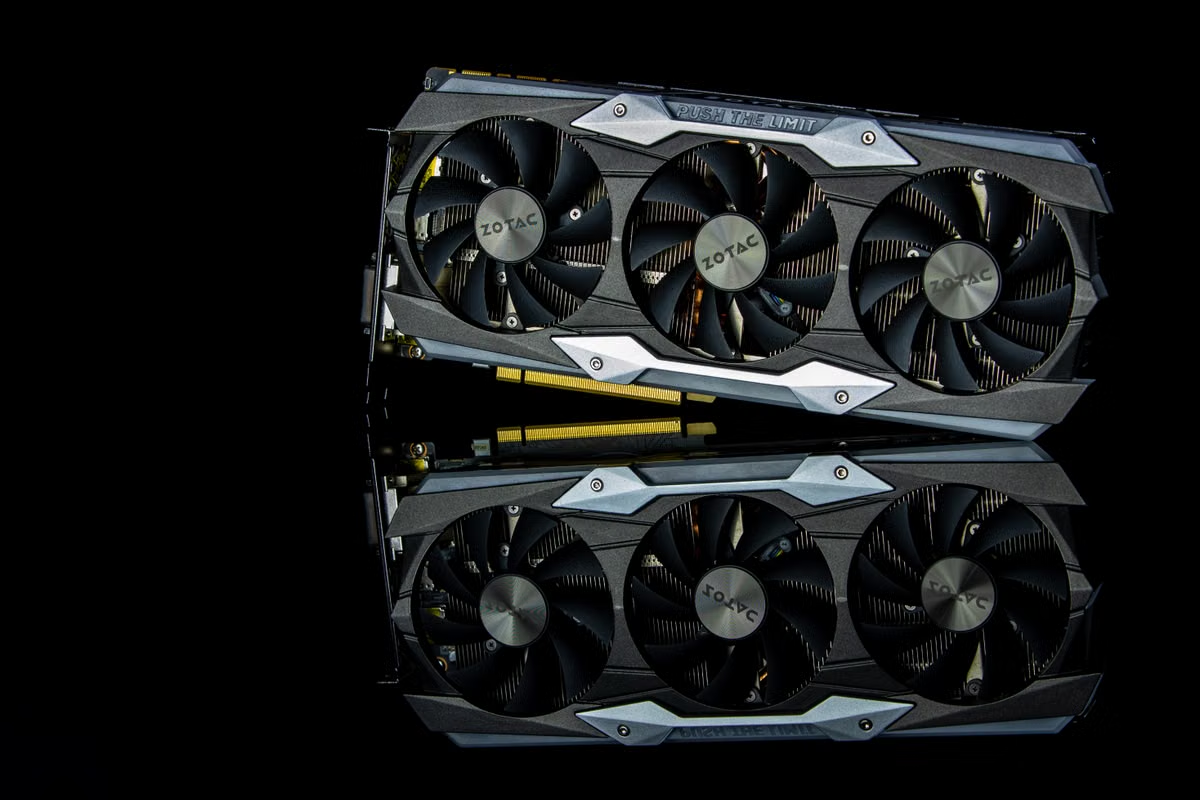
This guide helps Mac users, developers, and technical leads decide whether local AI, cloud APIs, or AI Coding tools fit their real workload. It gives you a consistent cost model, explains how to count hardware, electricity, usage, and developer time, and ends with a decision checklist.

If you are preparing an iOS app for a possible iPhone Duo launch, begin with verified device and OS information rather than rumored features. This guide helps you choose regression targets, divide work between simulators and real devices, and build a budget from actual resource and labor requirements.
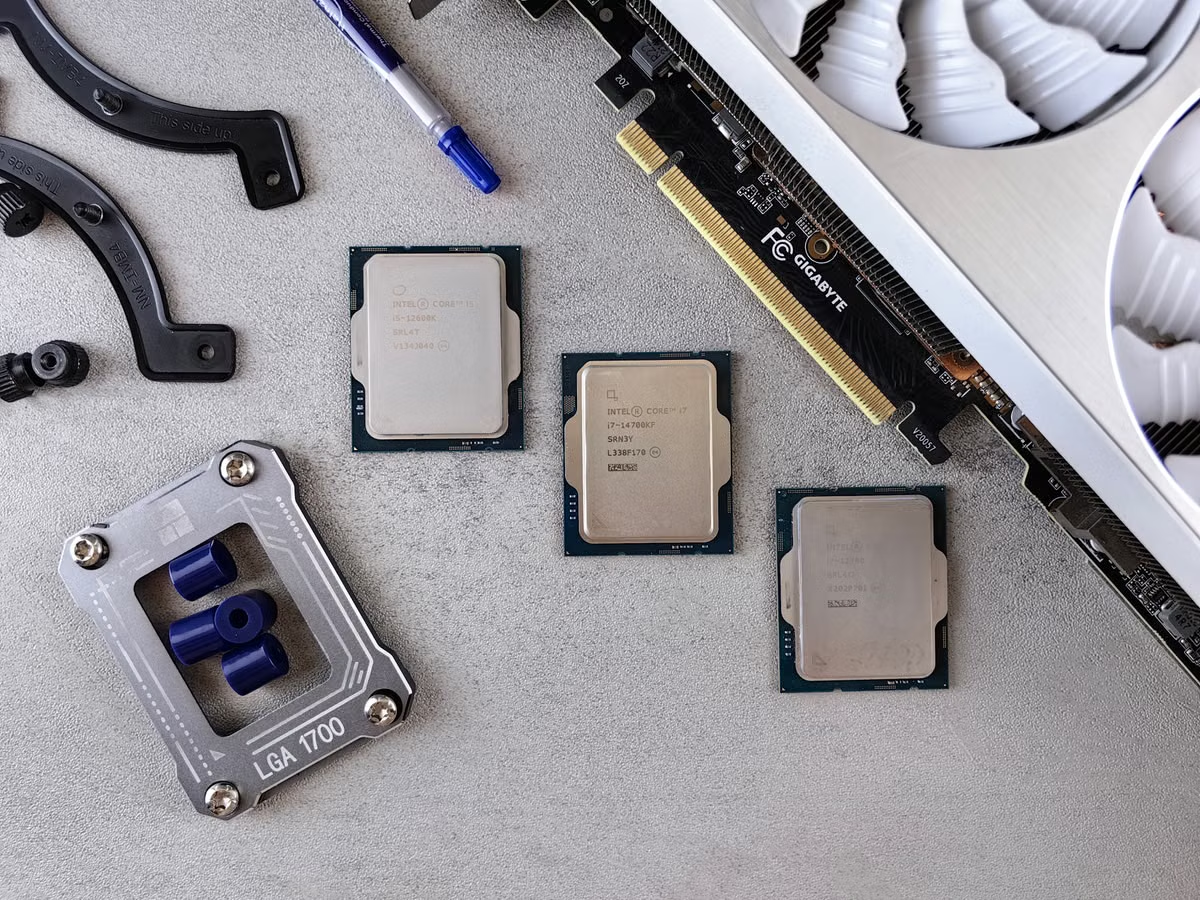
If you are planning infrastructure around NVIDIA GTC Berlin 2026, focus on how workloads may change rather than assuming a particular product launch. This preview separates official sources from inference and gives you a workload comparison and verification steps for GPU, AI Agent, Open Model, and robotics signals.
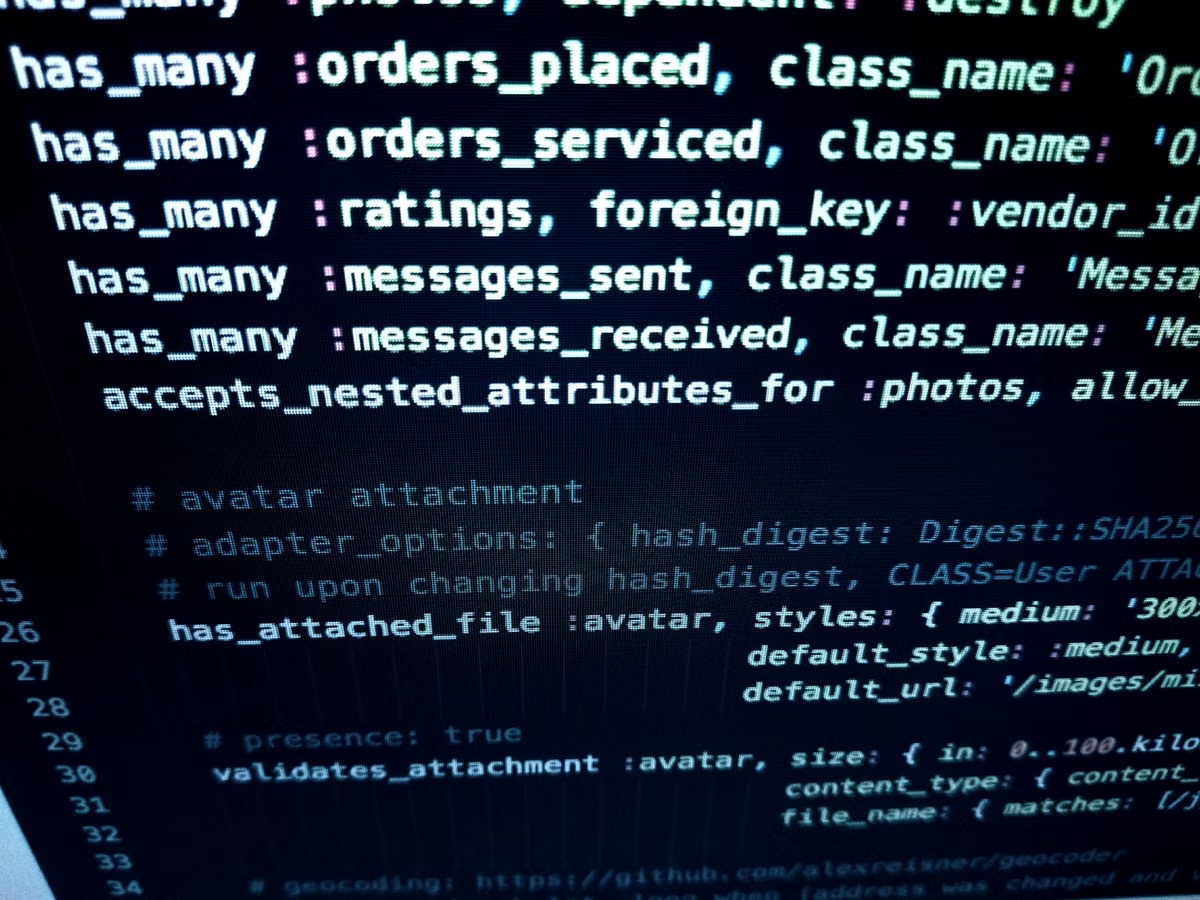
For developers evaluating how an AI Agent can control software through a command line, this guide explains CLI-Anything’s adapter-based approach and the evidence you should check before relying on it. It covers the call-and-verify workflow, a safe implementation sequence, environment and permission boundaries, and when to choose a different automation route.

If you see a dramatic view of Earth from above, the name God's Eye View does not prove it is a live satellite image. This guide compares observation data, 3D rendering, and Google Earth, then gives you a source-and-date checklist for judging what a particular image shows.
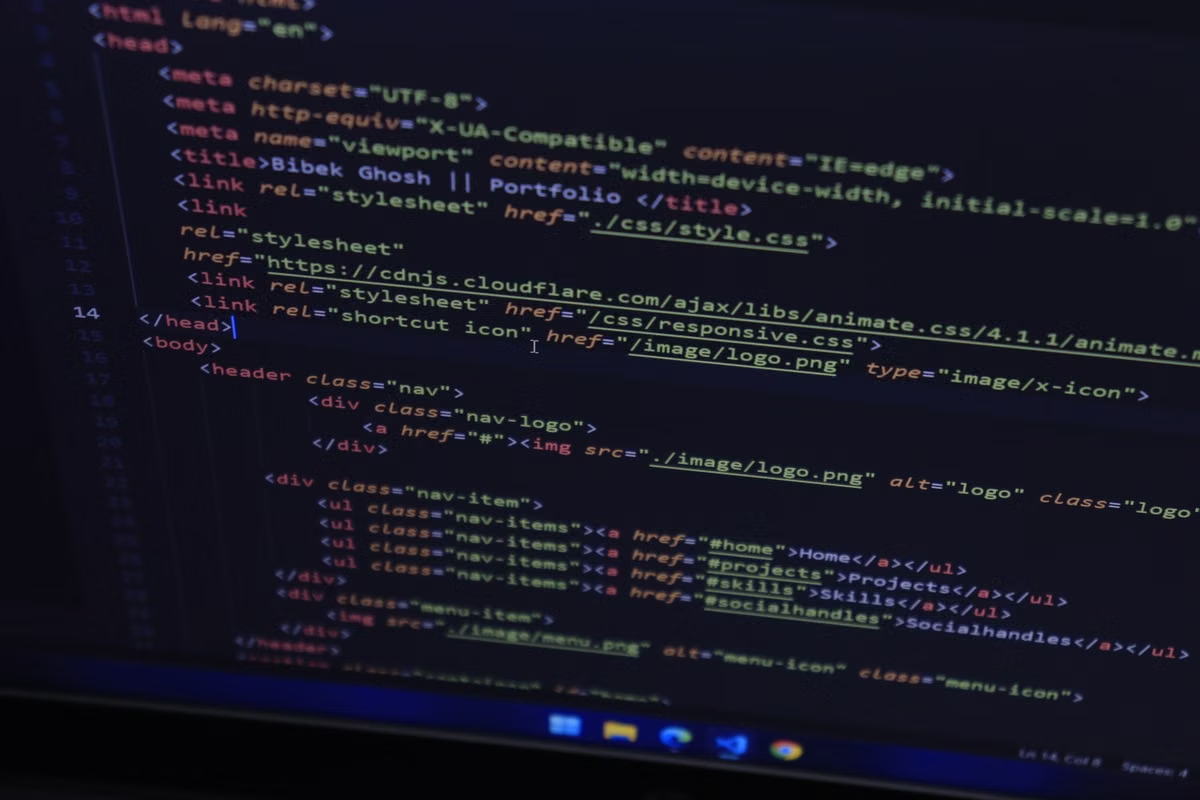
This guide helps developers decide where to install Vercel Skills, run the official skills CLI, and connect the resulting files to a compatible AI coding tool. It also covers project-level setup, a repeatable activation test, and ways to diagnose skills that install but do not load.
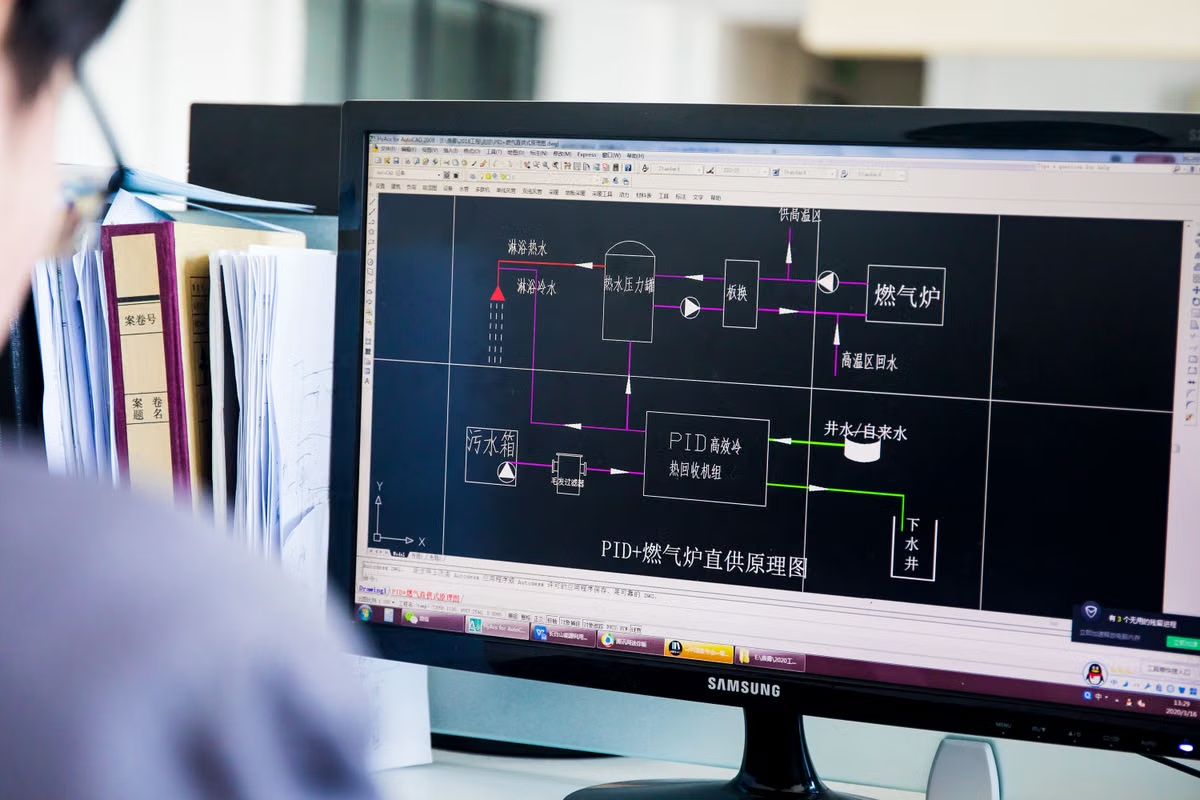
For engineers and technical writers whose Claude Code diagrams look crowded, inconsistent, or wrong, this guide separates layout issues from structural errors. It explains how to choose a diagram type, narrow the scope, set visual constraints, select an export, and check facts before publication.
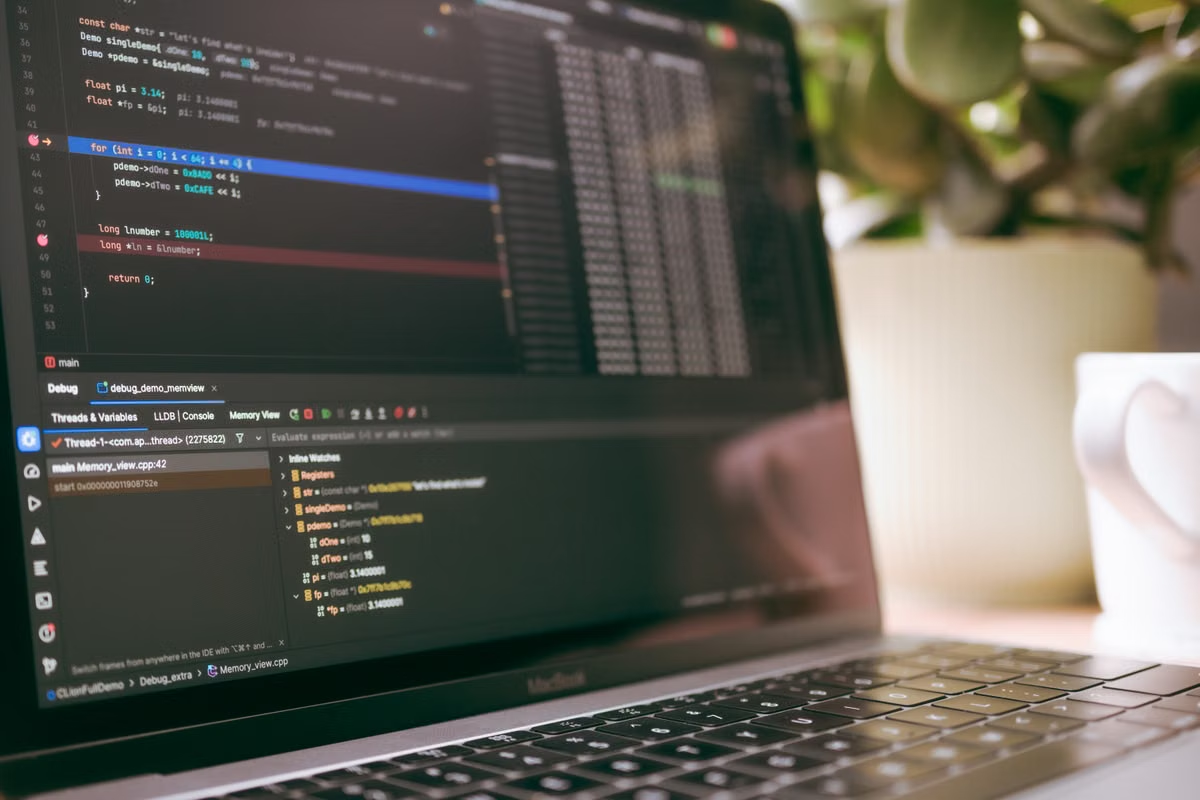
Choosing a coding model by brand or public leaderboard can lead to a poor fit for your codebase. This guide shows developers and technical leads how to compare Gemini, Claude, and GPT using representative tasks, consistent scoring, measured latency, human rework, and current API pricing.

For developers, security reviewers, and administrators assessing an MCP connection, the key decision is whether the plugin’s actual behavior matches its stated purpose. This guide shows how to inspect plugin files, map credentials and data access, test with a restricted account, and decide whether to pilot, limit, or reject the integration.
This guide helps developers and open-source project watchers decide whether AnyPS5 v0.1.1 is ready for a limited technical evaluation. It covers release evidence, lawful test inputs, a reproducible first trial, result classification, and signals that mean you should wait.
For startup teams, contractors, and iOS engineers moving builds into CI, a reliable budget starts with recorded workload rather than an assumed monthly allowance. This guide separates build, test, concurrency, storage, and maintenance costs, then shows how to validate the model with a representative pilot.

For teams preparing an enterprise launch, a successful development run is not enough to approve Microsoft Foundry Agent Service. Use the evidence-led checks in this guide to assess invocation, identity, data boundaries, observability, and recovery, then decide whether to proceed or stay in a controlled pilot.
If you are reproducing inference-optimization research, estimate compute from the paper’s actual experiment matrix and a representative pilot—not its title. This guide takes you from paper and environment checks through runtime budgeting, staged rental decisions, and post-run estimate updates.
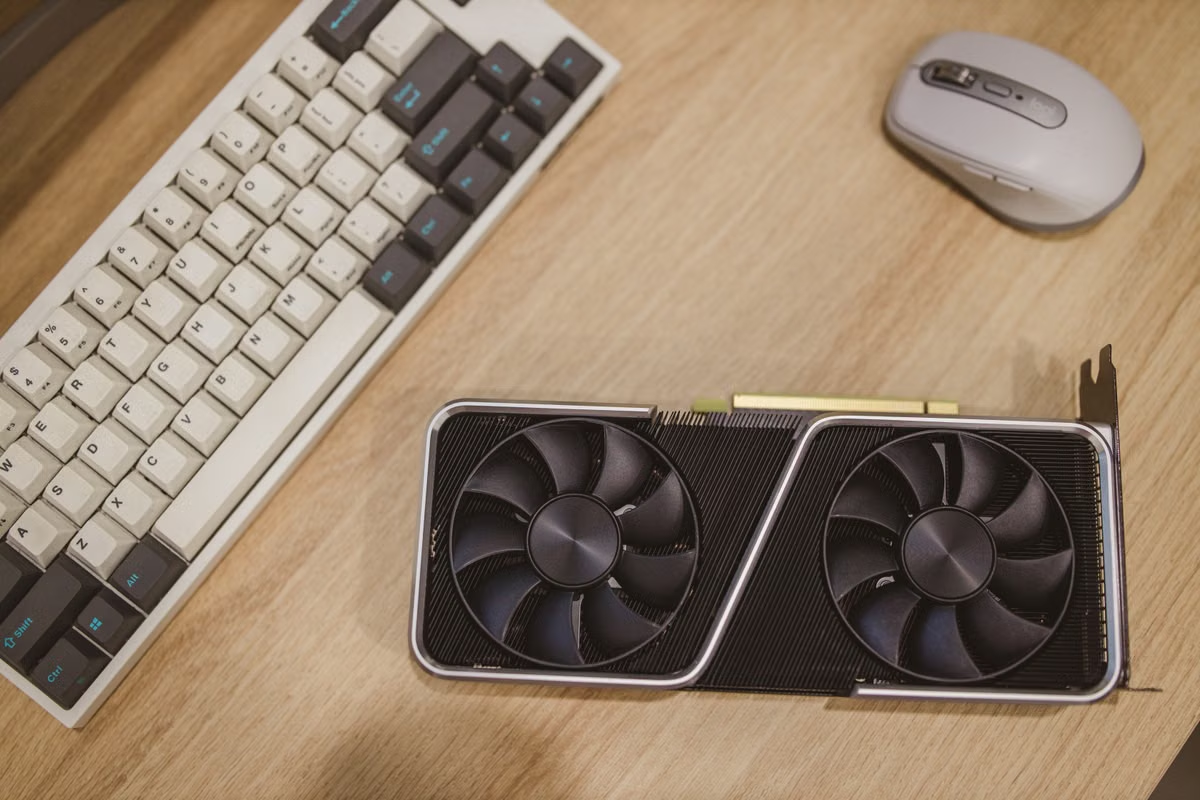
For developers and teams deciding whether to buy local AI hardware or rent compute, the key is to compare effective workload hours, maintenance, compatibility, and idle time—not just the device price. This guide gives you a fill-in cost model, a decision checklist, and guidance for separating AI inference needs from macOS build requirements.
If you are budgeting an AI training workload, estimate Trainium3 costs from a verified model run—not chip specifications alone. This guide covers compatibility checks, workload measurements, AWS pricing inputs, a controlled trial, and the conditions for expanding or pausing evaluation.

For product owners, QA leads, and integration engineers deciding where to launch a Matter smart lock, this guide puts user needs and verified lock functions ahead of ecosystem preference. It compares platform documentation, gives a test sequence, and shows how to record supported, limited, and unverified results.

If your project depends on mature supply and verifiable operating records, assess LFP as the reference before shortlisting CATL TENER Sodium. This guide compares project conditions, delivery evidence, system integration, and lifecycle costs, then gives you a procurement checklist for testing a new chemistry against your requirements.
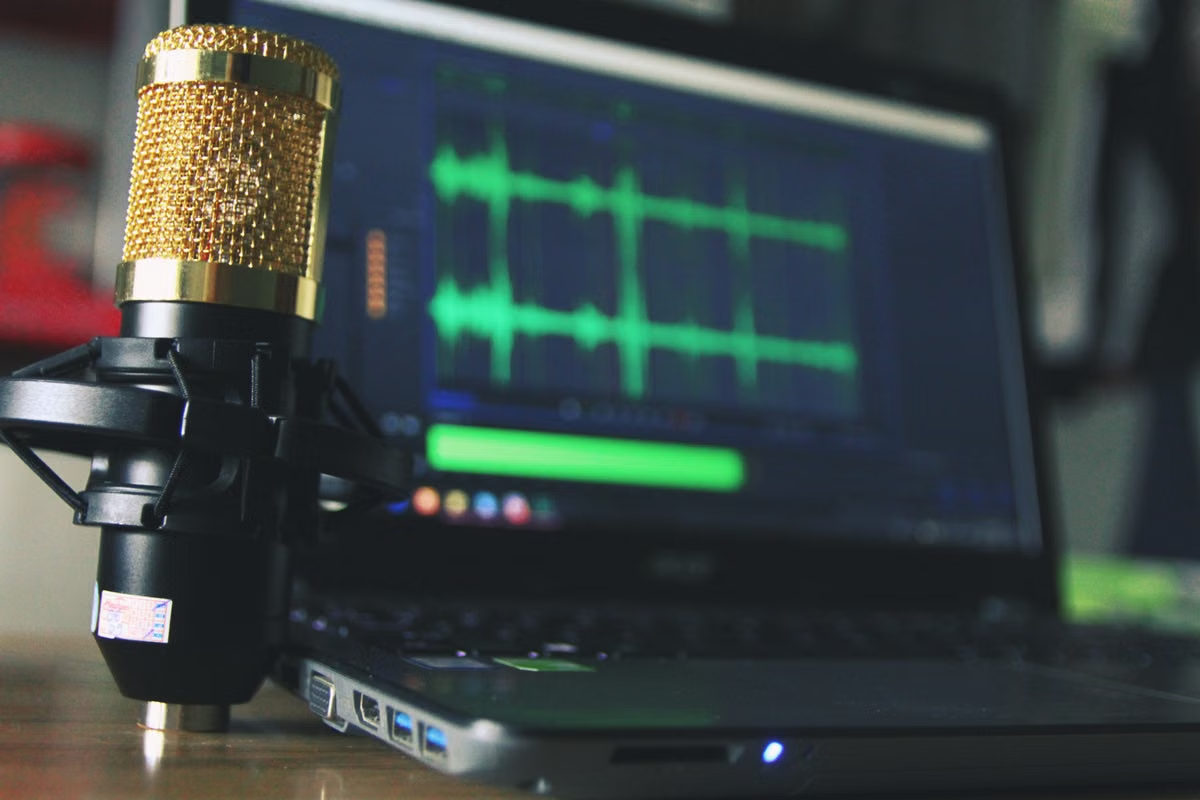
If you need to test a single voice workflow, start on your current computer and follow the requirements for the engine you choose. This guide covers preparation, installation, validation, resource tracking, and the decision to move recurring or shared work to a remote backend.
If you are adding DeepSeek V4.1-Flash to an Agent, estimate costs from complete tasks rather than extrapolating a single chat request. This guide shows how to separate input, output, cache, multimodal requests, retries, and runtime infrastructure, then calibrate a budget with representative task logs.
If you need document similarity search, a vector database may be enough; cross-session experience management calls for evaluating a dedicated memory layer. This guide compares memory representation, retrieval, updates, governance, and implementation trade-offs, then gives you a repeatable evaluation path.

If you’re choosing or replacing an AI Agent memory layer, compare Hindsight and Mem0 by the behavior and deployment mode you will actually use. This guide gives you a task-based evaluation plan, highlights operational trade-offs, and shows when staying with your current system is safer than migrating.

This tutorial is for Go developers and platform teams evaluating Google AX as an Agent task runtime. You’ll follow the setup and task lifecycle, inspect runner integration, and use an acceptance checklist to decide whether a local trial is ready to expand.

Bioinformatics researchers and scientific software teams need to separate an agent-generated candidate from a validated biological result. This article explains the reported workflow, sets out evidence and review checkpoints, and gives you a reproducibility checklist for evaluating similar research agents.
This decision guide explains why the i-have-adhd Claude Code skill attracted attention without confusing response style with stronger coding ability. It compares individual use, team adoption, and cloud workspace migration, then gives you conditions for trying, keeping, or rejecting the skill.
This guide helps React engineers, AI application developers, and platform teams decide whether a json-render feature is ready for production. It follows a release timeline from scope review to first generation, gray release, business integration, observability, rollback, and final acceptance.
This guide helps Claude Code users identify whether fast-jev-compaction failed to load, missed its trigger, could not reach Jev, or intentionally removed older context. It also provides a recovery sequence, evidence checklist, and remote Mac rollback plan for long-running AI coding work.

As of 18 Sep 2026: don't pick one winner. Claude Code for daily multi-file work; Codex if you want a default sandbox and already pay ChatGPT; Antigravity CLI on Google; OpenClaw only for always-on, cross-channel jobs.
As of 17 Sep 2026: Microsoft locked 7 October at 10:00 PT / 1:00 PM ET. Put it on your calendar; wait for Ultra / Dev Box pricing, and do not plan for Windows 12.

As of 16 Sep 2026 there is still no official date. If you need a dev machine this quarter, buy the current 14-inch M5; rumors point to an October same-chassis chip swap, with price more likely holding $1,999.
As of 15 Sep 2026 there is still no official date. If you need a dev machine this quarter, buy current hardware; rumors point to touch OLED, M5 Pro/Max, and a price above $2,499 / $2,999.

Standard is $10/$50 per 1M tokens. Max-effort tasks run ~$7 each in public benchmarks. Real bills swing with effort, caching, retries, and the 272K long-context cliff.

As of 10 Sep 2026: clear the Xcode 27 RC bar first—Apple silicon plus macOS Tahoe 26.6. Compare a local Mac, a bought mini, a remote Mac, and CI.
As of 9 Sep 2026: pick a Mac for the iPhone 18 Pro cycle by Xcode 27—Apple silicon plus macOS Tahoe 26.4. Intel is out; 8GB, 16GB, 24GB, and a remote node compared.
As of 9 Sep 2026: yes, but a sleeping laptop or an SSH drop without tmux stops it. Compare local, Remote Control, mini, remote Mac, and CI, plus the keep-alive steps.

This guide helps developers and technical buyers decide whether to buy a proven Mac now, wait for an unannounced Dynamic Island model, or use a temporary remote Mac environment. It separates reported features from confirmed products and evaluates touch workflows, application adaptation, deployment delays, and first-generation hardware risks.
This guide explains why an overseas GPU account can face a review after payment succeeds. It gives platform administrators, global engineering teams, and compliance managers a practical model for aligning the contracting entity, end user, access locations, intended use, credentials, and audit logs.

This guide separates confirmed Apple information from reports about the iPhone 18 Pro Max. It evaluates the rumored camera, chip, battery, and Dynamic Island changes through professional imaging, development, gaming, and travel scenarios.
This guide helps engineering leads and developers decide whether Codex App belongs on a personal Mac, a dedicated account, or a remote Mac node. It compares multitasking, workspace isolation, review controls, credentials, long-running jobs, and deployment acceptance criteria.
Developers deciding what to do before the Mac mini M6 ships need more than Apple’s launch specifications. This guide uses a timeline-based decision process: classify your workload, model ownership and rental costs, test the first working session, and review the first week before committing.

This guide helps mobile engineering teams decide how to add M6 Mac mini capacity for Xcode 27 builds. It compares buying, renting, and hybrid deployment across low-frequency migration work, daily pipelines, release peaks, private dependencies, and hardware-dependent testing.

Siri AI in macOS 27 is a rebuilt assistant, not a reskinned voice box. This guide covers features, how to use it, three hardware tiers, and whether to upgrade now.

MacBook Ultra is still unconfirmed. We break down the late-2026 to early-2027 launch window, price rumors, chip roadmap, and OLED touchscreen specs so developers and IT teams can plan with a fallback.
Compare M6 Mac mini and M5 Ultra Mac Studio for AI development, programming, and video editing. Memory, cooling, expansion, and total cost broken down for actionable 2026 buying decisions.
Apple has not announced the date or Mac lineup for its fall 2026 event as of August 25, 2026. This guide separates confirmed information from reporting, explains which Mac buyers should wait, and gives IT teams a staged procurement plan instead of betting every purchase on one event.

This guide helps Apple platform teams diagnose build, signing, simulator, and CI failures after moving to Xcode 26.6. You will learn how to freeze the toolchain, reproduce the failure, isolate the responsible layer, and keep a verified rollback path for production releases.

Apple has not confirmed a product officially named iPhone Fold, nor has it announced a release date, price, or hardware specification as of August 21, 2026. Media reports connect a possible foldable iPhone with the fall iPhone window, but development teams should act now on adaptive layout audits, simulator coverage, and QA planning rather than waiting for rumored hardware details.
You do not need to wait for M6 by default. This guide matches MacBook Pro, Mac mini, iMac, and Mac Studio to development, AI, creative, and team workloads, while showing when a cloud Mac is the safer bridge.

This guide explains what the reported Siri AI and Google Gemini cooperation means for Apple platform developers. It separates confirmed Apple frameworks from external model access, then provides scenario-based architecture guidance, privacy checks, and a validation plan.

This guide explains the complete MCP connection lifecycle, from Host and Client roles to Server discovery, JSON Schema validation, tool execution, authorization, and remote deployment. You will also get decision rules for choosing local STDIO, remote HTTP, or a hybrid architecture.

When an agent chats but tools fail, the break is usually the JSON contract, not model IQ. This guide follows one JSON object through Function Calling, Tool Calling, and MCP, and lists the gates to set before go-live.
Choosing an AI Agent Development Framework is not a popularity contest. This guide helps you match lightweight SDKs, workflow frameworks, and multi-agent frameworks to task determinism, state complexity, team capability, and production governance requirements.
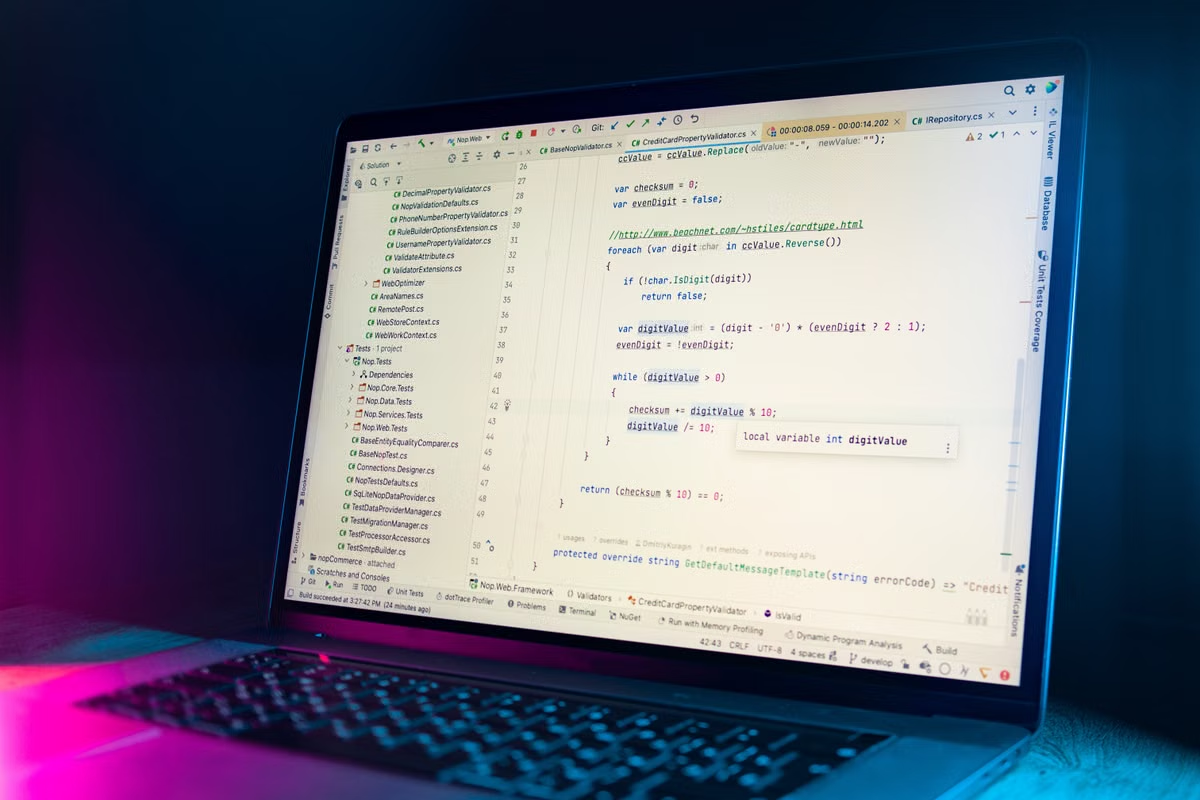
This guide explains what diagram-design is, how it works as a Claude Code skill, and why its self-contained HTML and inline SVG output fits technical publishing. You will also learn which diagram types it supports, how to install and export results, and when a local or remote Mac environment makes sense.
This guide compares diagram-design, Mermaid Chart, and Excalidraw by output format, editing model, version control, collaboration, automation, and delivery requirements. You will get a scenario-based ranking instead of a misleading overall score, plus a workflow for choosing and deploying the right tool.
Semantica is best understood as infrastructure for structured AI Agent Memory, not as a larger chat-history database. This guide explains how its Context Graph, provenance, temporal handling, reasoning, and decision records address common long-term memory failures, and when the added complexity is justified.
This guide helps individual developers, startups, platform teams, and Apple development teams choose between Claude Code, Cursor, Prime Agent, and OpenHands. It compares interaction style, permissions, background execution, self-hosting, iOS constraints, migration cost, and a two-week acceptance process.

ChatGPT failing to understand a PDF does not automatically mean the file needs OCR. This guide helps developers, researchers, and knowledge-base teams distinguish missing text layers, scanned or mixed pages, damaged character mappings, broken reading order, visual tables, and upload limits. You will get a symptom-based diagnosis, three decision tables, a five-step workflow, and repair paths for one-off and sensitive documents.
AI Sandbox, Docker, and virtual file systems (VFS) differ in isolation granularity, startup speed, and Agent workflow roles. Decision tables help you pick the right execution layer.

Use a 3-layer PDF OCR Detection pipeline to batch-classify PDFs before OCR. Batch OCR queue design and Enterprise Knowledge Base governance for platform teams.

Enable TencentDB Agent Memory on OpenClaw in 10 minutes: four-layer long-term memory, symbolic short-term compression, zero-dependency local SQLite—plus Cloud Mac paths for iOS/Flutter Agent development and cost comparison.

Which Jira alternative fits your team in 2026? Compare Kaneo, Plane, and Linear on licensing, self-hosting, AI, and iOS/Flutter rollout—with Docker PoC steps and Cloud Mac hosting advice.
OpenAI has not announced GPT-6 yet. This guide forecasts likely GPT-6 API pricing from historical patterns and gives teams a practical budget and architecture checklist.

Cursor Pro is $20/month in 2026, or about $16/month billed annually. This guide covers all seven tiers, the credit pool model, Auto vs manual model selection, and who should pick each plan.

Step-by-step guide to deploy the open-source Strix AI penetration testing Agent on Ubuntu VPS: Docker setup, one-line install, LLM configuration, first scan, and cloud-init automation—with hardening and troubleshooting.

If your team expects to test new OpenAI APIs or agent capabilities after DevDay, do not buy hardware based on speculation. Keep a stable development baseline and prepare short-lived cloud Mac capacity for compatibility checks, parallel experiments, and Apple-platform validation. This guide separates the right decision for individual developers, startups, iOS and macOS teams, and platform engineering groups.
You should not replace Cursor solely because GitHub Copilot App is now available across Copilot plans. This comparison explains where each tool fits, how their agent workflows differ, and when a staged dual-tool trial is safer than a full migration.
If your team is reacting to reported iPhone 18 model leaks by planning new hardware purchases, pause before committing budget. This guide explains why flexible Mac capacity can create more business value than immediately buying new phones, especially for small development firms, freelancers, and distributed teams. You will get a decision framework, operational steps, and a realistic comparison between physical devices, Cloud Mac, and other cloud infrastructure.
Developers want to know when Gemini 4 will arrive, but Google has not published a formal launch date. This guide separates confirmed announcements from reasonable roadmap signals, explains how Gemini 3.5 and Gemini 3.6 affect the sequence, and shows when you should build now instead of waiting.

Based on real production data, this guide breaks down Xcode Cloud vs remote M4 Mac build machines and gives you an actionable migration path.
No articles yet
New articles will appear here once published.
No matching articles found.
Featured
No articles yet
New articles will appear here once published.